
 rambleruk07@gmail.com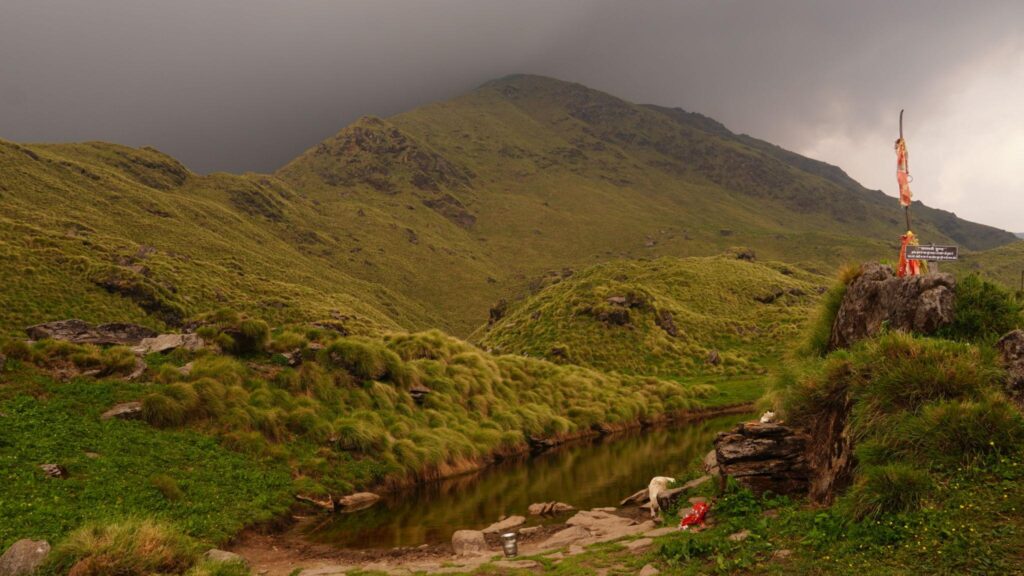
The Garhwal Himalayas of Uttarakhand are home to five ancient Shiva temples that together form one of India’s most demanding and spiritually significant pilgrimage circuits. Spread across high-altitude valleys, alpine meadows, dense forests, and glacial rivers, this sacred journey combines mythology, endurance, and Himalayan wilderness. For serious trekkers and devotees alike, the panch kedar trek represents both a physical challenge and a deeply symbolic path of devotion.
Complete Guide to the Five Sacred Himalayan Shrines is not just a travel overview; it is a structured understanding of the mythology, route sequence, logistics, difficulty level, preparation strategy, and spiritual depth of this remarkable Himalayan circuit.
Mythological Background
The origins of these five temples are rooted in the Mahabharata. After the Kurukshetra war, the Pandavas sought forgiveness from Lord Shiva for the destruction caused during the battle. Shiva, unwilling to meet them, disguised himself as a bull and retreated into the Himalayas. When the Pandavas pursued him, the bull disappeared into the ground, and different parts of his body reappeared at five separate locations.
Each shrine corresponds to a specific part:
- Hump – Kedarnath
- Arms – Tungnath
- Face – Rudranath
- Navel – Madhyamaheshwar
- Hair – Kalpeshwar
This interconnected legend forms the spiritual foundation of the panch kedar trek, giving it narrative continuity beyond a typical mountain expedition.
The Five Sacred Temples
1. Kedarnath Temple
Located at approximately 3,583 meters, Kedarnath is the most visited among the five. The 16 km trek from Gaurikund is well-maintained but steep. Due to its inclusion in the Char Dham circuit, infrastructure is comparatively developed.
2. Tungnath Temple
Recognized as the highest Shiva temple in the world at around 3,680 meters, Tungnath involves a short but steep 3.5 km climb from Chopta. Many trekkers continue to Chandrashila summit for panoramic Himalayan views.
3. Rudranath Temple
This shrine is among the most demanding to reach. The approach includes long forest trails and high-altitude meadows. Situated at about 3,600 meters, it offers isolation and dramatic landscapes.
4. Madhyamaheshwar Temple
At 3,289 meters, Madhyamaheshwar requires a moderate to strenuous trek from Ransi village. The backdrop of Chaukhamba peaks enhances its scenic appeal.
5. Kalpeshwar Temple
Accessible throughout the year, Kalpeshwar is located in the Urgam Valley and requires a shorter trek compared to the others. It remains open even during winter months.
Route Planning and Suggested Itinerary
Completing the full panch kedar trek typically requires 10 to 14 days. The journey involves a combination of road travel between base villages and multi-day trekking segments.
A logical sequence:
- Kedarnath
- Tungnath
- Rudranath
- Madhyamaheshwar
- Kalpeshwar
Starting points usually include Haridwar or Rishikesh, followed by road transfers to Gaurikund, Chopta, Sagar, Ransi, and Urgam respectively.
Gradual altitude gain is essential. Proper acclimatization reduces the risk of altitude sickness and improves endurance across consecutive trekking days.
Difficulty Level
The panch kedar trek falls in the moderate-to-difficult category due to:
- Altitude between 3,000 and 3,700 meters
- Steep ascents and descents
- Remote trails, especially toward Rudranath
- Limited medical facilities
Preparation should begin at least four weeks prior to departure and include:
- Cardio training (running, cycling, stair climbing)
- Strength training focused on legs and core
- Practice hikes with a loaded backpack
Beginners can complete it, but physical conditioning significantly improves safety and experience.
Best Time to Visit
The temples are generally open from May to October.
Ideal periods:
- May–June: Stable climate with moderate temperatures
- September–October: Clear skies and improved visibility
Avoid:
- July–August (heavy monsoon rainfall and landslides)
- Winter (heavy snowfall blocks most routes except Kalpeshwar)
Seasonal timing plays a critical role in the success of the panch kedar trek.
Budget Overview
Estimated total expenses range between ₹18,000 and ₹35,000 depending on travel style.
Major cost components:
- Transportation
- Accommodation
- Food
- Guide or porter services
- Pony support (optional)
Luxury travel arrangements increase overall expenditure.
Accommodation Options
Accommodation across the route remains basic yet functional:
- GMVN guesthouses
- Village homestays
- Dharamshalas
- Seasonal camps
Advance planning is recommended during peak pilgrimage months.
Packing Essentials
Clothing:
- Thermal layers
- Fleece and insulated jacket
- Waterproof outer layer
- Trekking pants
Equipment:
- High-ankle trekking shoes
- Trekking poles
- 40–50L backpack
- Headlamp
Medical:
- First aid kit
- Personal medication
- ORS and hydration salts
Weather conditions in the Himalayas can change rapidly, making proper gear essential.
Safety and Risk Management
Key precautions:
- Monitor symptoms of Acute Mountain Sickness (AMS)
- Maintain hydration
- Begin treks early in the day
- Avoid overexertion
- Stay updated with weather forecasts
Mobile connectivity is limited in remote areas. Inform family about your itinerary before departure.
Spiritual and Experiential Significance
The value of the panch kedar trek extends beyond physical completion. The circuit integrates mythology, terrain diversity, and Himalayan ecology into one cohesive pilgrimage. Trekkers experience alpine meadows, glacial rivers, dense forests, and snow-clad peaks while following a centuries-old devotional path.
Each temple presents a distinct atmosphere — from the grand scale of Kedarnath to the quiet seclusion of Rudranath. Together, they form a structured spiritual progression through the Garhwal Himalayas.
Summary
Undertaking the panch kedar trek requires preparation, discipline, and realistic expectations. However, for those willing to invest time and effort, it offers one of the most comprehensive Himalayan pilgrimage experiences in India. The journey unites mythology, physical endurance, and high-altitude exploration into a singular, transformative expedition.
With proper planning, seasonal awareness, and physical conditioning, this sacred circuit becomes not just a trek but a deliberate and meaningful passage through the spiritual geography of the Himalayas.